Net Zero Emissions
Net Zero Bureaucracy
About
Contact
AI for Enterprise
AI for Government
AI for Sustainability
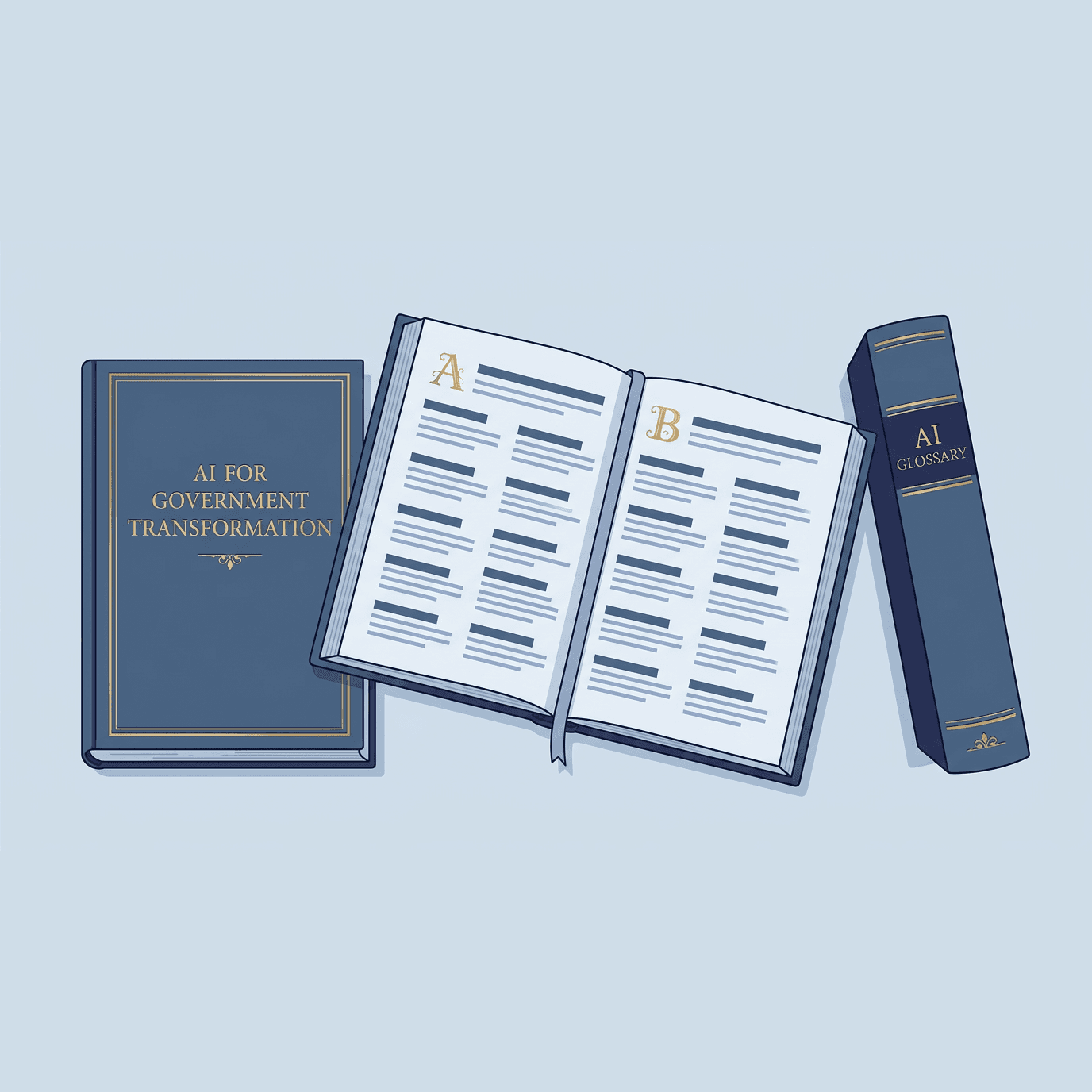
An alphabetical reference of 120+ terms every public-sector AI leader should know in 2026 — AI agents, agentic workflows, sovereign AI, accreditation and oversight.
Net0's Monaco carbon calculators measure tourism and event emissions for the Government of Monaco, supporting the Principality's 2050 carbon neutrality target.
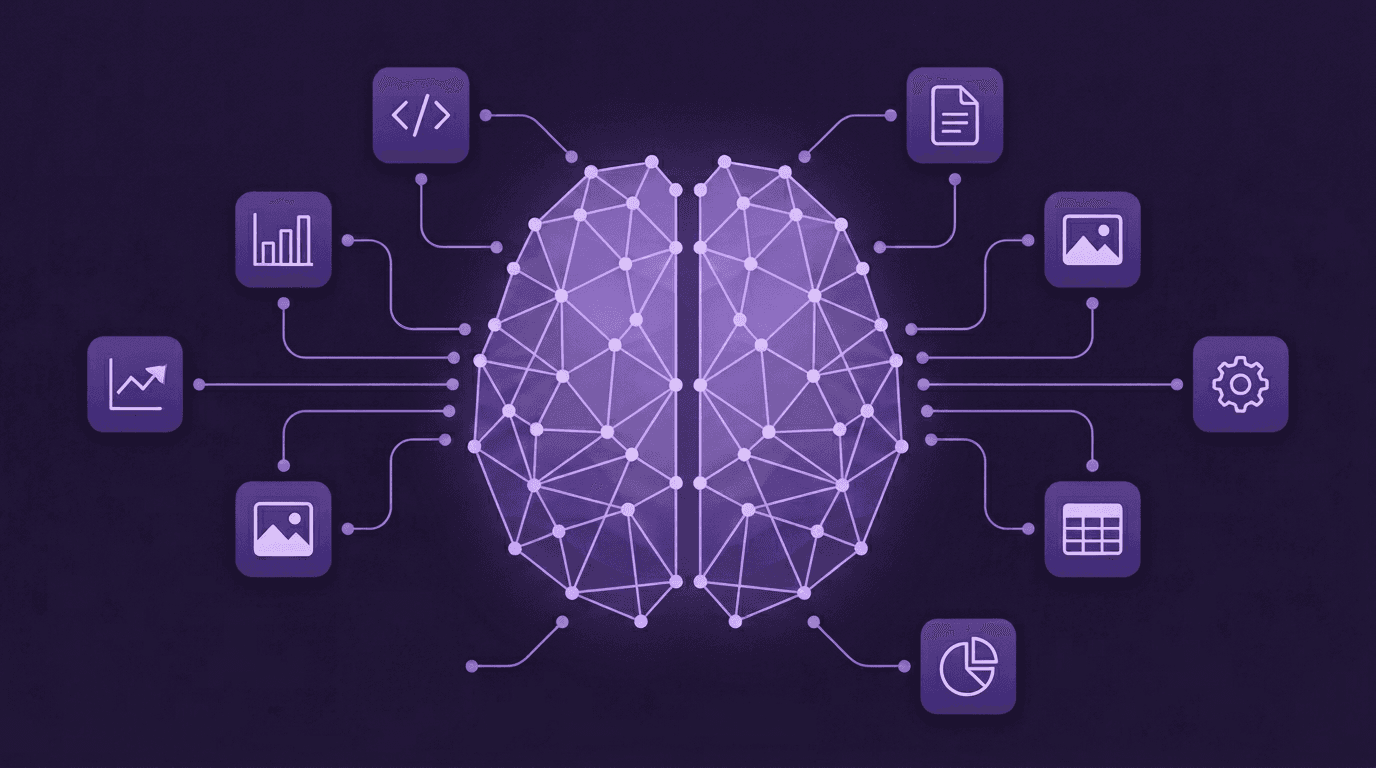
Net0's AI-first architecture is a three-layer system — AI data platform, proprietary AI models, and 60+ modular components — custom-configured or custom-built end-to-end for each enterprise and government deployment.
The 2026 playbook for government AI transformation: the four pillars, sovereign-AI imperative, and six-step implementation roadmap, from Net0.
Sustainability data alone does not reduce emissions. See how Net0's AI infrastructure turns enterprise ESG and emissions data into real-time operational decisions across 30+ reporting frameworks.
An alphabetical reference of 120+ carbon accounting, reporting and net-zero terms every sustainability leader should know in 2026.
The Global Reporting Initiative (GRI) is the world's most widely adopted sustainability reporting framework. Net0 automates GRI disclosures for enterprise and government reporters with AI-native infrastructure.
A 2026 guide to the Fit for 55 package and the European Climate Law, covering the new 90% 2040 target, the 2028 launch of EU ETS2, the CBAM definitive period and what AI-driven compliance looks like for enterprises.
The EU CSDDD has been reshaped by the 2026 Omnibus I amendments. Net0 explains the revised scope, timelines, and how AI infrastructure operationalises due diligence at supply-chain scale.
A 2026 guide to the EU Energy Performance of Buildings Directive — the 29 May 2026 transposition deadline, MEPS trajectories, zero-emission building rules, and what European construction must deliver.
Net0 builds proprietary AI models rather than reselling third-party APIs. Five reasons — data sovereignty, domain depth, enterprise integration, compliance, and vendor independence — explained for enterprise and government buyers.
The ten enterprise data sources behind a complete carbon inventory — and how AI automates collection across Scope 1, 2, and 3 for CSRD, IFRS S2, and CDP reporting.
Scope 1 and 2 disclosures under California SB 253 are due August 10, 2026 while SB 261 enforcement is stayed by the Ninth Circuit. A 2026 compliance guide from Net0.
IFRS S1 and S2 are the ISSB's global baseline for sustainability and climate-related financial disclosure, now mandatory across 19 jurisdictions. Net0's AI sustainability platform operationalises compliance at enterprise scale.
The 2026 CSRD guide for enterprises: what Omnibus I changed, who remains in scope under the new EUR 450M threshold, and how AI automates ESRS reporting.
The 2026 guide to SECR for UK large companies and LLPs — requirements, UK SRS convergence, FRC scrutiny, and how Net0 automates SECR disclosures.
AI for climate change is now core to enterprise and government operations. See how Net0's AI infrastructure powers emissions measurement, optimisation, and multi-framework disclosure at institutional scale.
Scope 4 emissions are the avoided emissions enabled when customers choose a low-carbon product over a higher-carbon alternative. A guide to how they are defined, calculated, and reported credibly under the 2025 WBCSD Guidance.
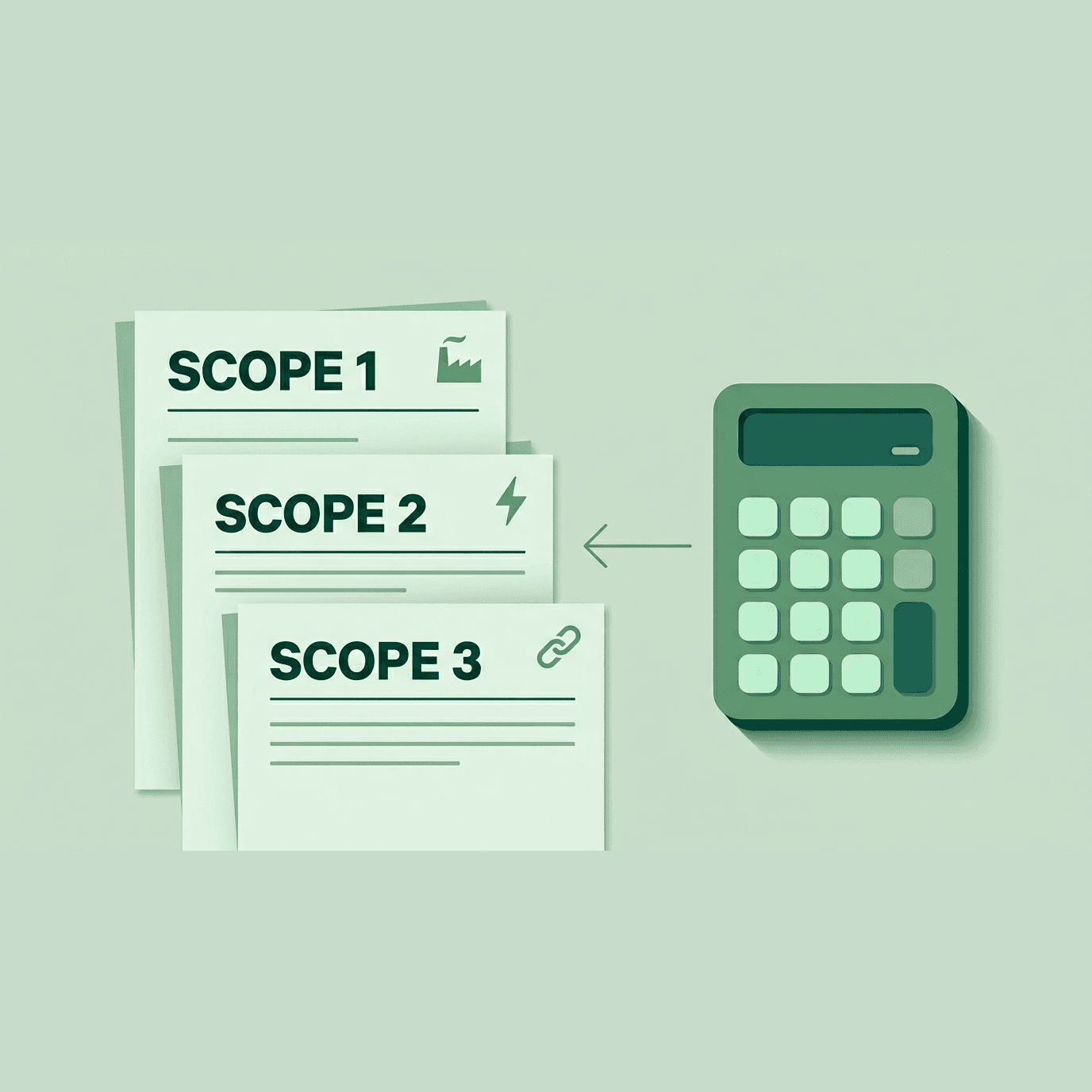
A 2026 guide to Scope 1, 2, and 3 greenhouse gas emissions under the GHG Protocol — definitions, the 15 Scope 3 categories, and how AI enables accurate measurement.
How enterprises rank decarbonization initiatives using MACC and the Net Benefit formula under CBAM, EU ETS, and CSRD in 2026.
Profitable decarbonization in 2026 is an AI problem first. Net0 automates measurement, AI-ranks abatement, and streamlines 30+ frameworks of compliance.
Complete 2026 guide to the Science Based Targets initiative — V2 timeline, cyclical validation, scope requirements, and how AI automates SBTi-aligned compliance.
The EU Carbon Border Adjustment Mechanism (CBAM) entered its definitive regime on 1 January 2026. Here is what importers need to know about the Omnibus Simplification Package, the €75.36 first certificate price, and the 2028 scope extension.
A 2026 framework for building credible, science-based decarbonization strategies — covering baselining, target-setting, scenario modelling, and multi-framework disclosure for Fortune 500 enterprises.
Compare activity-based, production-based and spend-based emission factors against the GHG Protocol data hierarchy, CSRD requirements, and the EU CBAM definitive regime.
The ESRS establishes 12 mandatory reporting standards under the EU's Corporate Sustainability Reporting Directive. This guide covers each standard, the phased compliance timeline after Omnibus I, double materiality requirements, and how AI automates ESRS reporting.
A comprehensive guide to the SFDR, covering entity-level and product-level disclosures, Article 6, 8, and 9 classifications, PAI indicators, and the proposed SFDR 2.0 overhaul.
A comprehensive guide to product carbon footprints -- what they are, how to calculate them under ISO 14067 and GHG Protocol standards, and how AI automates PCF measurement at enterprise scale.
Scope 3 emissions account for approximately 75% of total corporate greenhouse gas output. This guide covers all 15 GHG Protocol categories, three calculation methods, regulatory requirements under CSRD and SBTi, and how AI-powered platforms accelerate measurement and reduction across the value chain.
Upstream Scope 3 emissions account for over 70% of most companies' carbon footprint. This guide covers the 8 upstream categories, the Gold Standard supplier engagement framework, and how AI-powered platforms accelerate supply chain decarbonization.
A comprehensive guide to CDP reporting requirements, scoring methodology, and how AI-powered automation streamlines environmental disclosure for enterprises in 2026.
The SEC climate disclosure rule was finalized in 2024 but never took effect. Net0, an AI infrastructure company, explains the current legal status, requirements, and why companies must still prepare for climate reporting.
A comprehensive guide to ESG reporting in 2026, covering regulatory changes including the EU Omnibus simplification, ISSB adoption across 21 jurisdictions, major frameworks, investment trends, and how AI automation transforms sustainability disclosure.
A comprehensive analysis of spend-based, activity-based, and hybrid carbon accounting methodologies, with guidance on selecting the right approach for enterprise emissions measurement.
How enterprises conduct materiality assessments under CSRD, ESRS, and ISSB frameworks -- from double materiality to AI-driven automation.
How green upskilling and AI infrastructure are preparing the GCC workforce for sustainability leadership, backed by data from BCG, McKinsey, and the World Bank.
Governments invest billions in ocean IoT sensors and AI analytics to meet BBNJ treaty obligations, protect marine biodiversity, and unlock the $3 trillion blue economy.
The GHG Protocol is the global standard for greenhouse gas reporting. This guide covers all eight standards, scope definitions, 2026 updates, and how AI automates compliance.
Manufacturing emissions data collection remains one of the hardest sustainability challenges. Net0, an AI infrastructure company, solves the five biggest barriers with automated, real-time data capture across Scope 1, 2, and 3.
Scope 3 emissions account for over 70% of most enterprises' carbon footprints, yet persistent myths prevent action. Net0 breaks down 10 common misconceptions and shows how AI-powered carbon accounting eliminates the complexity.
Discover how Net0's innovative Carbon Management Platform is addressing climate change in the UAE and accelerating global net zero goals with its Dubai launch.
Your business' carbon footprint is important to know for creating a strategy to lower emissions in the long run. How to measure your carbon footprint for businesses.
Check out these 10 ways you can put carbon accounting on autopilot and achieve your net zero targets.
Preparing the workforce in the GCC for the blue economy will come with plenty of opportunities to diversify employment and tackle sustainability challenges.
Carbon emissions abatement and its costs. Methods for abating emissions in various industries. Learn to read marginal abatement cost curves.
Carbon accounting refers to the process of measuring the amount of carbon dioxide equivalents (CO2e) emitted directly and indirectly by an entity.
Carbon credits permit a company to emit one tonne of GHGs. Learn how they work, where to buy them, about carbon credit regulations, and trading programs.
Carbon neutrality is defined as achieving a balance between emitting carbon dioxide and absorbing carbon dioxide from the atmosphere.
Greenhouse gas emissions in the United States from transportation, power, industry, buildings, and agriculture. How you can reduce greenhouse gas emissions with AI- first tools.
Why carbon offsetting is needed to get to net zero and how businesses can participate.
Net zero is the balance between the amount of GHGs produced and removed from the atmosphere by an entity in a certain time period.
IoT sensors and accurate ocean data collection will lead the new blue economy.
Get an overview of Scope 3 emissions and find answers to the most common questions about this important area of sustainability.
Learn about the latest carbon management trends so you can hit your net zero targets fast.
We have the necessary tools to measure and reduce GHG emissions and get to net zero. COP27 will negotiate but businesses must implement change.
Learn who should be involved in setting and achieving net zero targets, what is needed to set net zero targets, and how to develop a plan for each of your net zero goals.
How are carbon emissions measured? Effectively measure and analyze your corporate carbon footprint in one software platform.
Learn about setting net zero targets with a growth mindset and how it can help your organization achieve net zero strategies fast and effectively.
ESG: Environmental, Social and Governance criteria are critical for getting investors to back up companies.
Reducing carbon emissions and carbon offsetting are both necessary components to a winning net zero strategy
Corporate sustainability refers to focusing on economic, environmental, and social well-being at the core of your business.
Why every business needs carbon accounting to fight climate change and why Net0 is the best platform to use to get to net zero.
A company is carbon neutral when it achieves net zero emissions: balancing out emissions by making reductions and removing the residuals with offsets.
Sustainable business is not only important for ESG, but for staying competitive and grabbing stakeholders' loyalty. How to become a sustainable business.
Explore Net0's AI-driven approach to carbon management at COP28. Engage in key discussions on profitable decarbonization and sustainability.
Learn about the key updates to CSRD, what they mean for companies, and how you can be prepared for ESG reporting.
Learn about SEC proposed issuer and investor rules and requirements. Net0 makes emissions management simple so your business stays SEC compliant.
AI will close the gap between the lack of knowledge in climate management and the ability to get the data to make a real change. Develop climate competence.
AI is an effective climate management tool that is providing accurate emissions data across industries for carbon reduction strategizing and honest reporting.
Incorporating climate management into your corporate strategy puts carbon mitigation as an equal to customer and employee satisfaction in the value creation process.
Carbon management is the most practical way to approach a company’s climate impact, helping to reveal and correct actions with the most significant potential for change.
What does it take to redefine the values of corporations and help them shift to corporate social responsibility? Successful climate management programs will help.
Net zero business models are becoming the norm in business and reflect responsible leadership. Taking climate action is a must-have for socially responsible businesses.
Conversations about climate change were a top priority at Davos 2022. Discover what took place at the forum and how technology can lead the way.
Blue carbon ecosystems sequester carbon dioxide from the atmosphere in mangroves, seagrass, microalgae, algae, salt marshes, and wetland plants.
COP26 pledges, value chains racing to net zero emissions, key takeaways from COP26 talks, how carbon neutrality will affect businesses.
Reduce what is possible from the beginning of event planning then measure the carbon footprint of your event and offset emissions in one software platform.
A detailed list of the top five carbon dioxide emitting countries in the world.
Ways your business can become more eco-friendly. Eco-friendliness and carbon-neutrality are at the core of customer loyalty and value amongst shareholders.
Communicating carbon neutrality is important to consumers, investors, and future employees. Find out how to do it with Net0 carbon accounting software.
What countries are going to achieve net zero emissions soon? Check out carbon emissions laws, policies, and targets by country.
How the sports industry can go carbon neutral. The environmental impact of sports can be reduced. Lower CO2 emissions with carbon accounting software.
Learn the shocking facts about climate change and why you need to start carbon accounting fast. The stats are clear but carbon accounting can help.
Discover strategies to engage employees in sustainability, fostering teamwork and reducing your business's carbon footprint.
Eliminate carbon emissions with a carbon calculator, record reporting, and carbon offsetting tool all in one place.
Building a strategy to achieve net zero looks different in every industry. Discover how regenerative businesses and circular economies are leading the way — and what your organisation can learn from them.